
Custom Fiber Bed Mist Eliminators
High-efficiency fiber bed mist eliminators capturing submicron droplets (>99.96% efficiency). Custom engineered for sulfuric acid and chemical plants.
What Is a Fiber Bed Mist Eliminator
Filtearth Fiber Bed Mist Eliminator, also known in industry as a Candle Filter or Fiber Demister, is a highly efficient industrial purification device specifically designed to remove extremely fine droplets, submicron-sized aerosols (droplet diameter less than 1 micrometer), and soluble solid particles from airflow.
Compared to ordinary wire mesh demisters or baffle demisters, its biggest advantage lies in its ability to capture those submicron-sized particles that are suspended in the gas like smoke and are extremely difficult to separate.
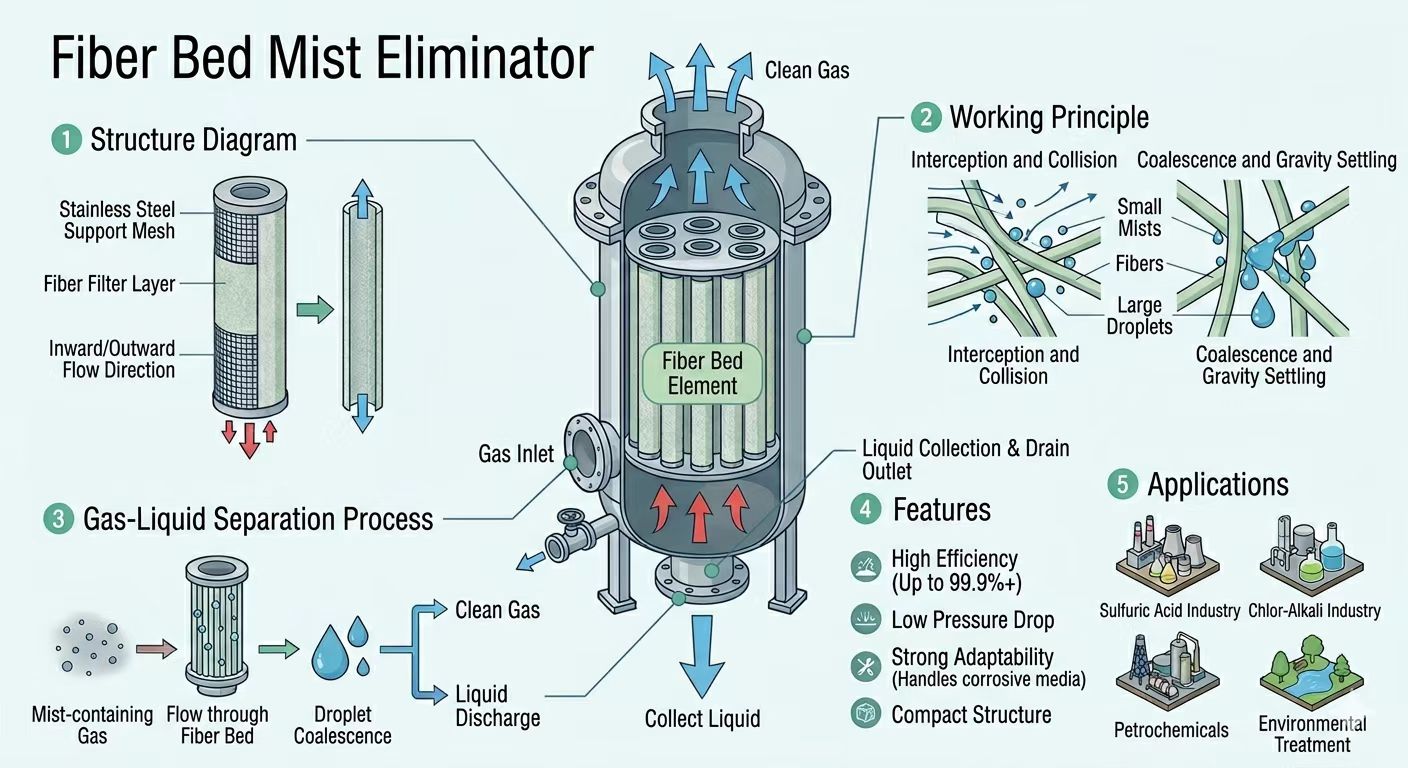
Candle Filter Mist Eliminator Construction
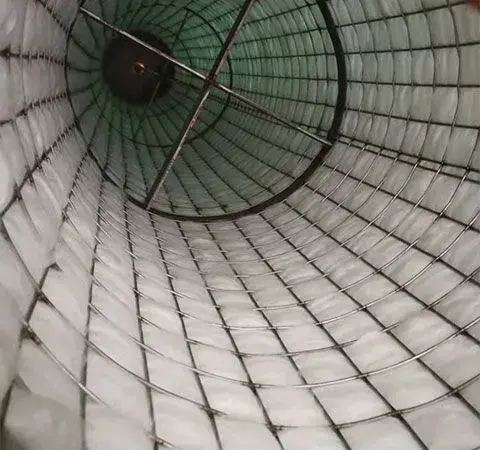
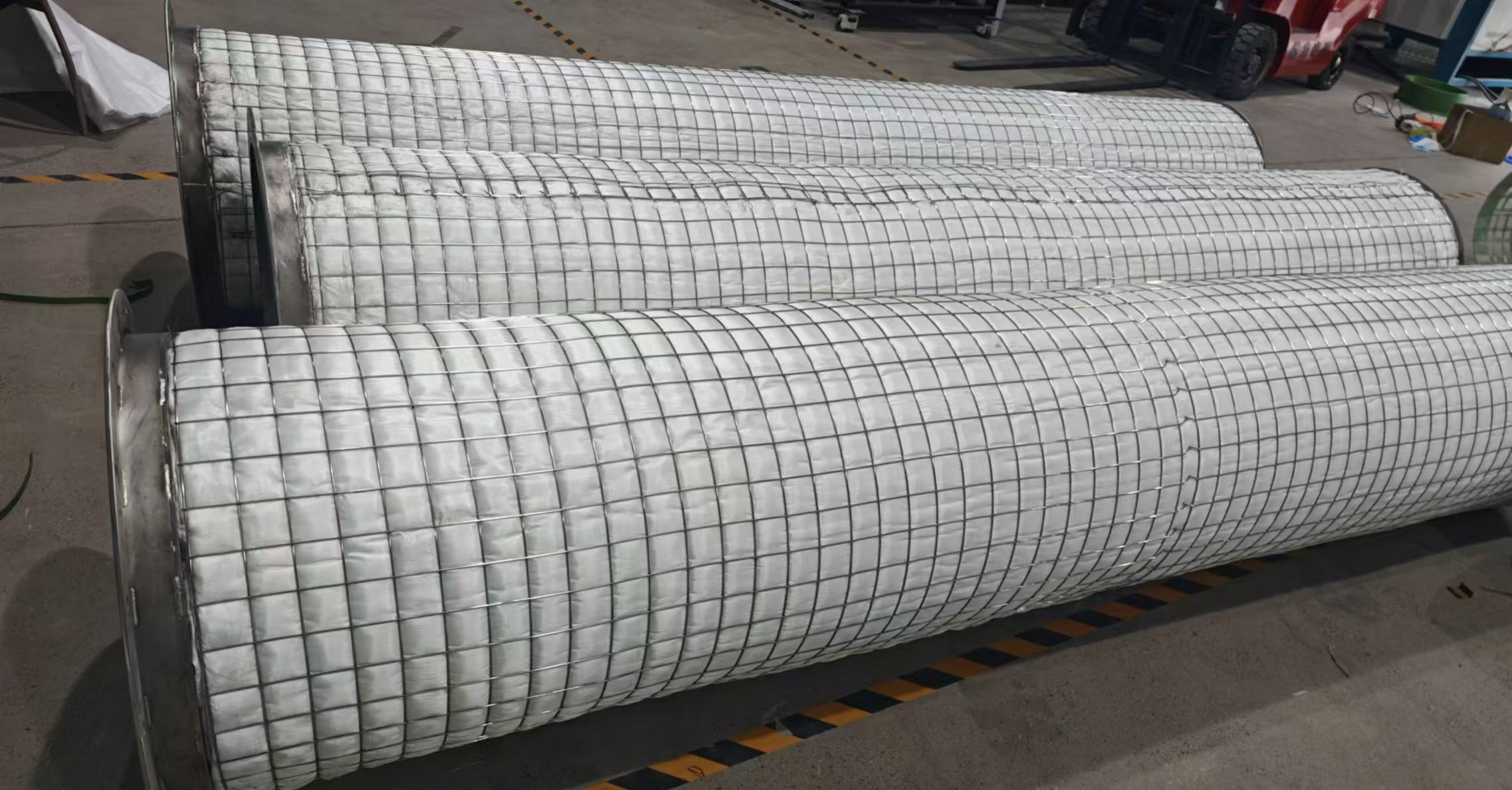
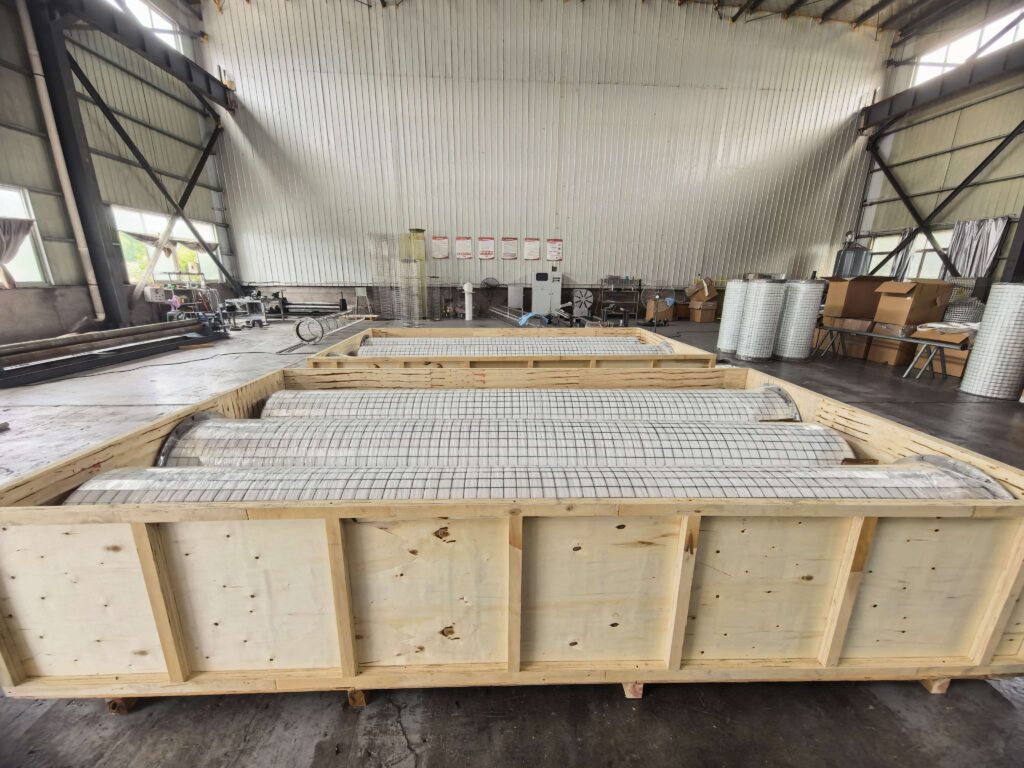
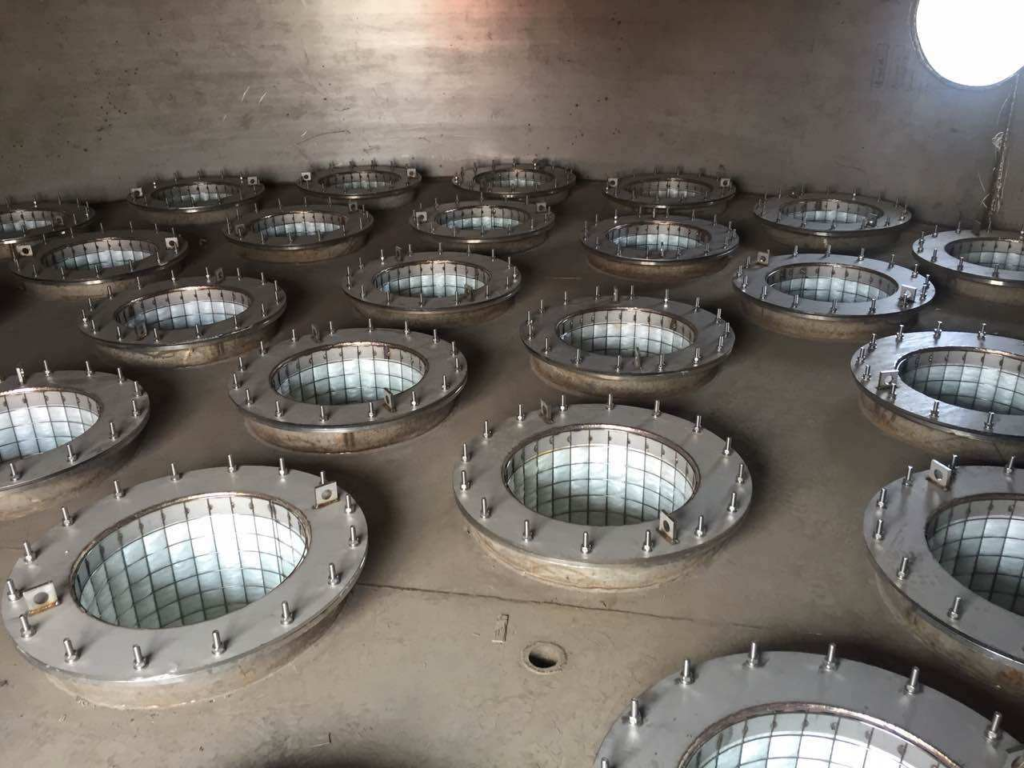
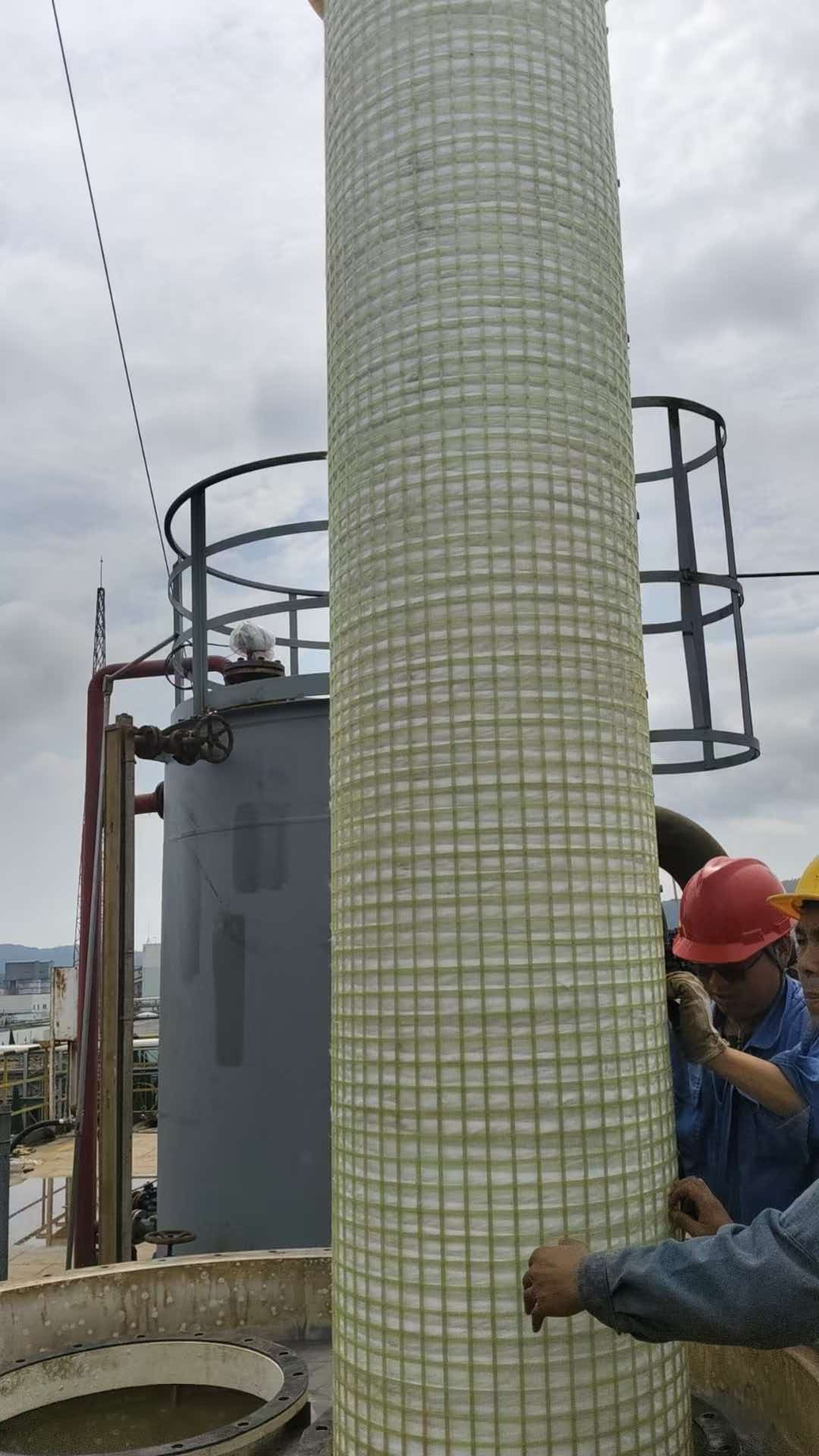
Concentric inner and outer mesh cylinders (support mesh): usually made of corrosion resistant metals (such as stainless steel, titanium alloy), carbon fiber or plastics (such as FRP, PP, PTFE), to provide mechanical support for the internal fibers.
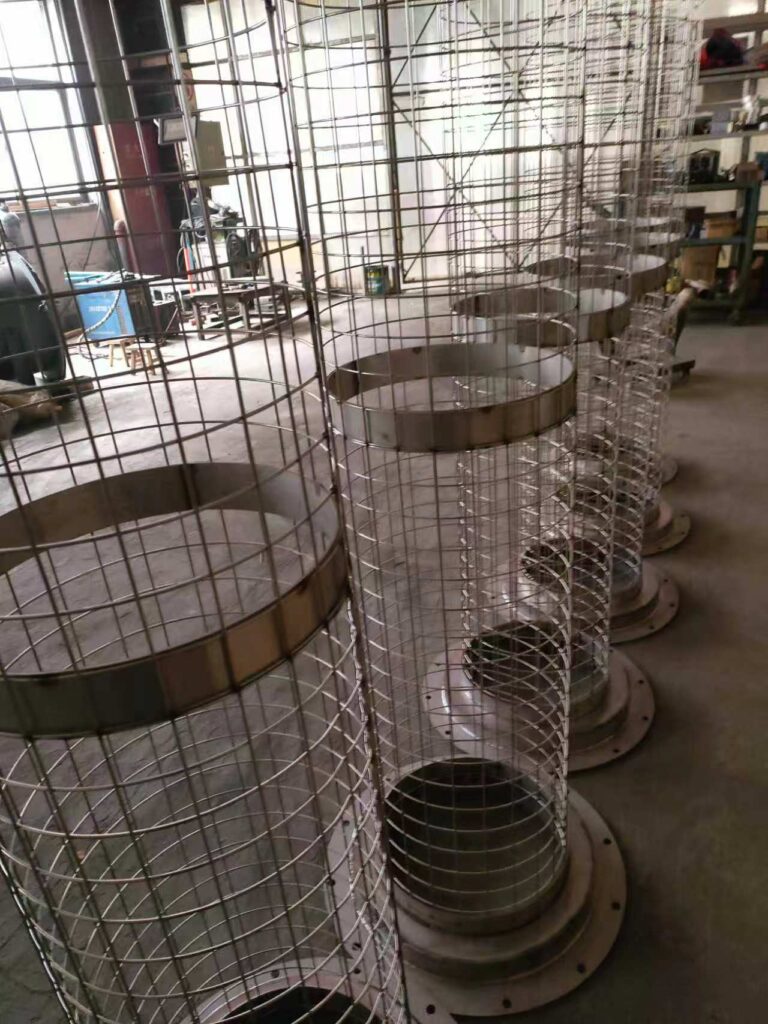
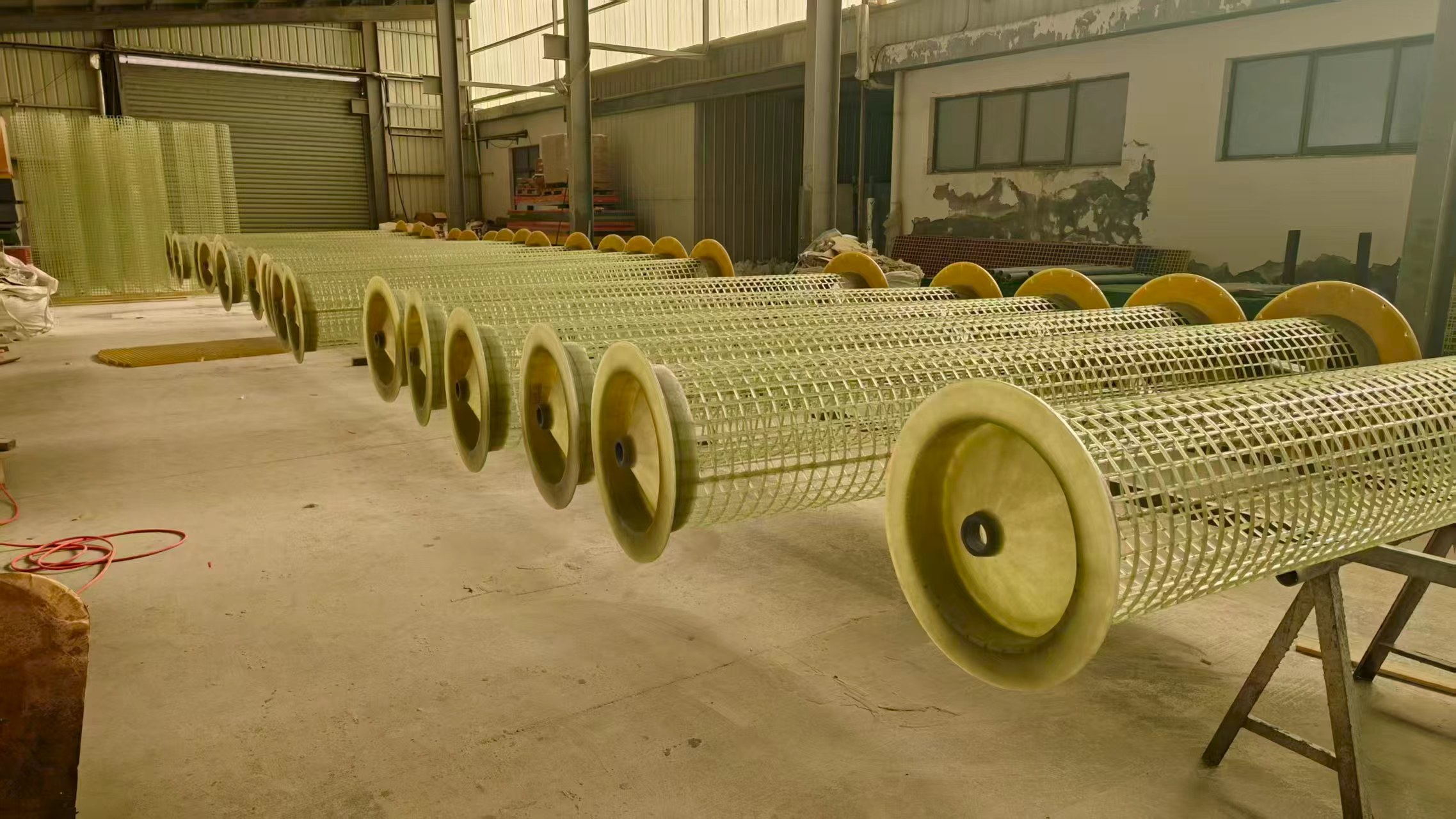
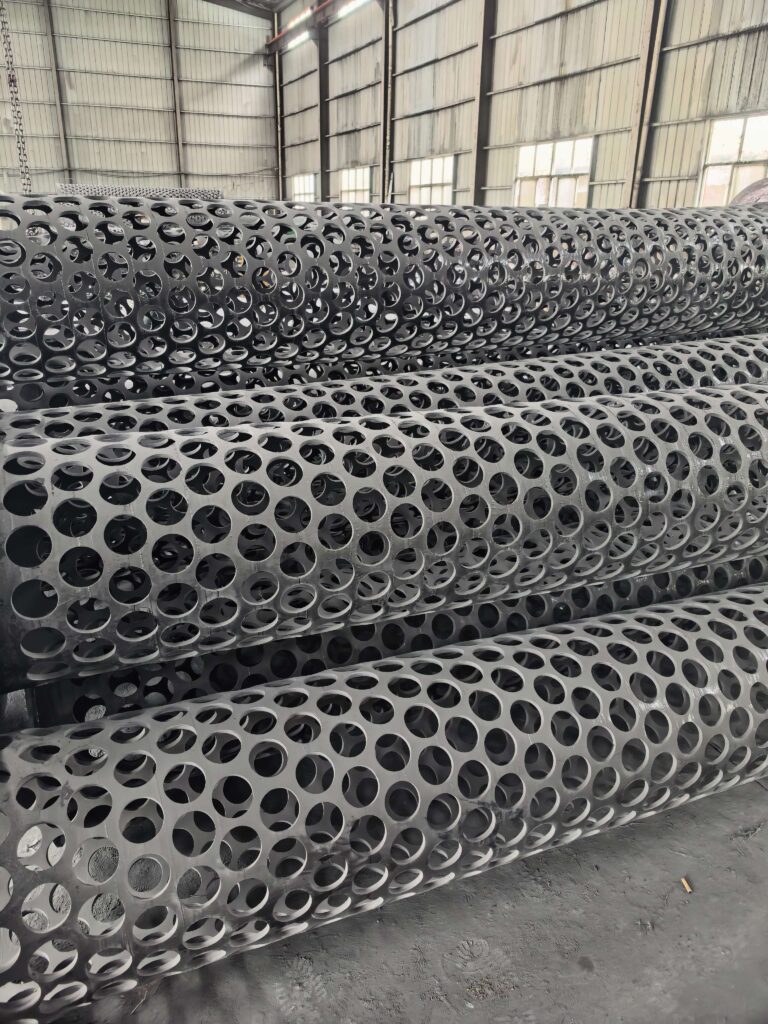
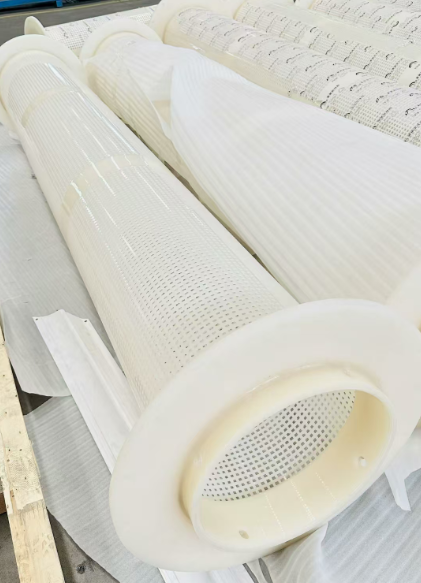
Proprietary fibre bed (core layer): filled between the inner and outer mesh cylinders. The fibre material depends on the operating conditions; our fibre mist eliminator core layers comprise speciality glass fibres, polypropylene (PP), polytetrafluoroethylene (PTFE) and carbon fibres. These fibres are extremely fine and are highly compressed to achieve a specific bulk density.
Drainage layer (to prevent secondary entrainment): Our proprietary high-efficiency fibre-bed mist eliminators typically incorporate an additional layer of coarse fibres on the downstream side (gas outlet side), which rapidly directs accumulated liquid downwards through physical action, preventing the high-velocity gas from blowing the liquid away again.
Mounting flanges and bases:We use precisely tailored dimensions to secure the fibre-bed demister to the tube sheet inside the tower, ensuring it is airtight.
Working Principle and Capture Mechanism
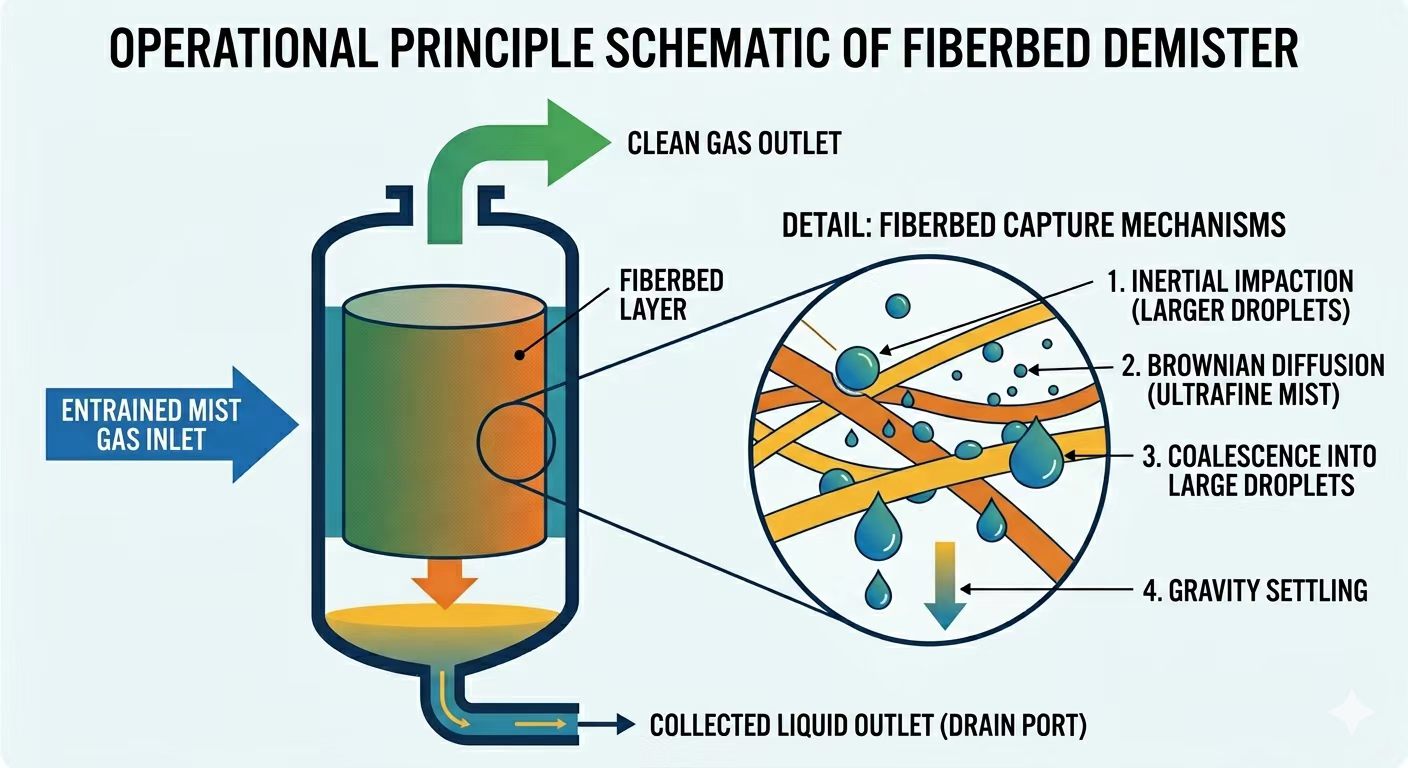
Working Principle and Capture Mechanism Gas typically flows horizontally through the fiber bed from the outside in (or from the inside out). When gas containing droplets passes through the dense fiber network, the droplets are primarily captured through the following three physical mechanisms:
Inertial Impaction(>3μm):
Suitable for larger particles (> 3 micrometers). When the streamlines bend at the fiber, large particles, due to their greater inertia, cannot turn in time and directly collide with the fiber surface and are captured.
Direct Interception(1–3μm):
Suitable for medium-sized particles (1-3 micrometers). Particles move with the airflow lines; when the distance between the airflow line and the fiber is less than the particle radius, the particle surface contacts the fiber and is adsorbed.
Brownian Diffusion(<1μm):
Suitable for extremely small submicron particles (< 1 micrometer). Due to their extremely small mass, these particles are constantly bombarded by gas molecules, undergoing irregular “Brownian motion” (random swaying). This violent displacement greatly increases the probability of particle collision with the fiber. This is the core secret behind the fiber bed demister’s near 100% capture of ultrafine droplets.
Self-cleaning mechanism: Countless tiny droplets captured aggregate on the fiber surface, forming a continuous liquid film. Under gravity, the liquid flows downwards along the fibers to the bottom and is discharged from the system through a drain pipe. This “capture and discharge simultaneously” characteristic gives it excellent self-cleaning capabilities.
Filtearth Fiber Bed Mist Eliminator Key Advantages
Sulfuric acid industry and metal smelting:
For droplets larger than 3 micrometers, the capture efficiency is 100 per cent; even for the most difficult-to-capture sub-micrometre acid mists (smaller than 1 micrometre), the capture efficiency typically reaches 99.96 per cent
Extremely Long Service Life:
As there are no moving parts and the unit utilizes highly specialised fibre materials (Filtearth’s proprietary, highly corrosion-resistant glass fibre, specifically designed for Sulfuric acid applications), a single fibre bed can last for several years or even decades without requiring replacement, provided that the process and operating conditions are appropriate.
Relatively Stable Pressure Drop:
Although the initial investment and pressure drop are higher than those of conventional metal wire mesh mist eliminators, Filtearth’s proprietary fibre-woven mist eliminator ensures that the pressure drop remains stable during long-term operation thanks to its self-cleaning and drainage functions.
Elimination of Visible Plume:
Filtearth fibre-bed mist eliminators, featuring leading-edge winding technology, completely eliminate ‘blue smoke’ or ‘white smoke’ from industrial exhaust gases, helping factories meet stringent environmental emission standards.
Typical Application Scenarios
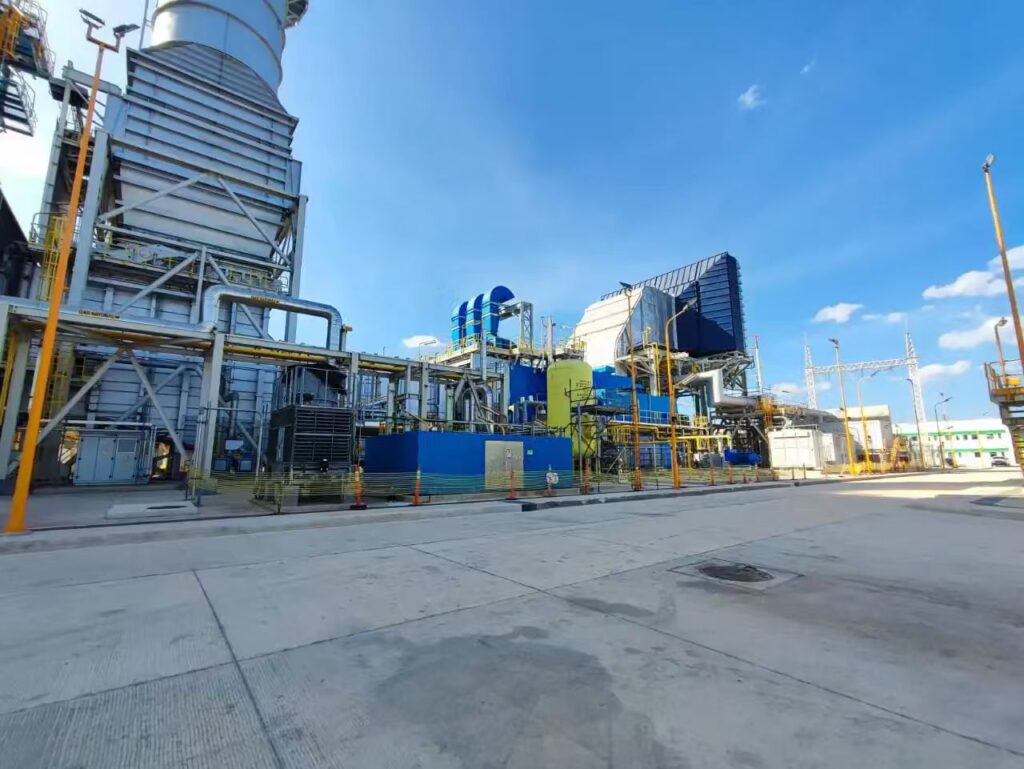
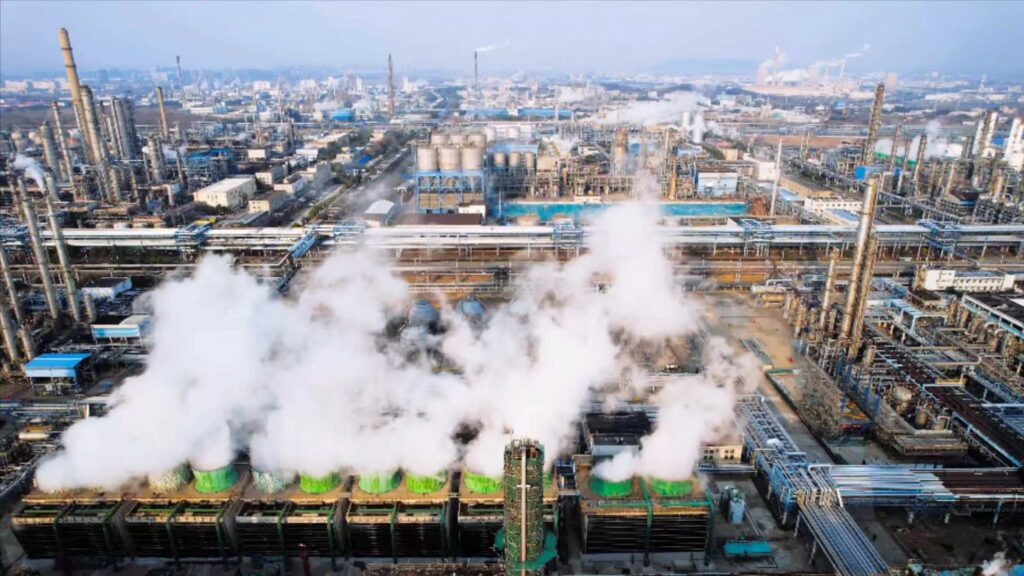
Filtearth Fiber Bed Mist Eliminator, due to their superior ability to handle ultra-fine droplets, have become standard equipment in many industries with high corrosion and high purity requirements:
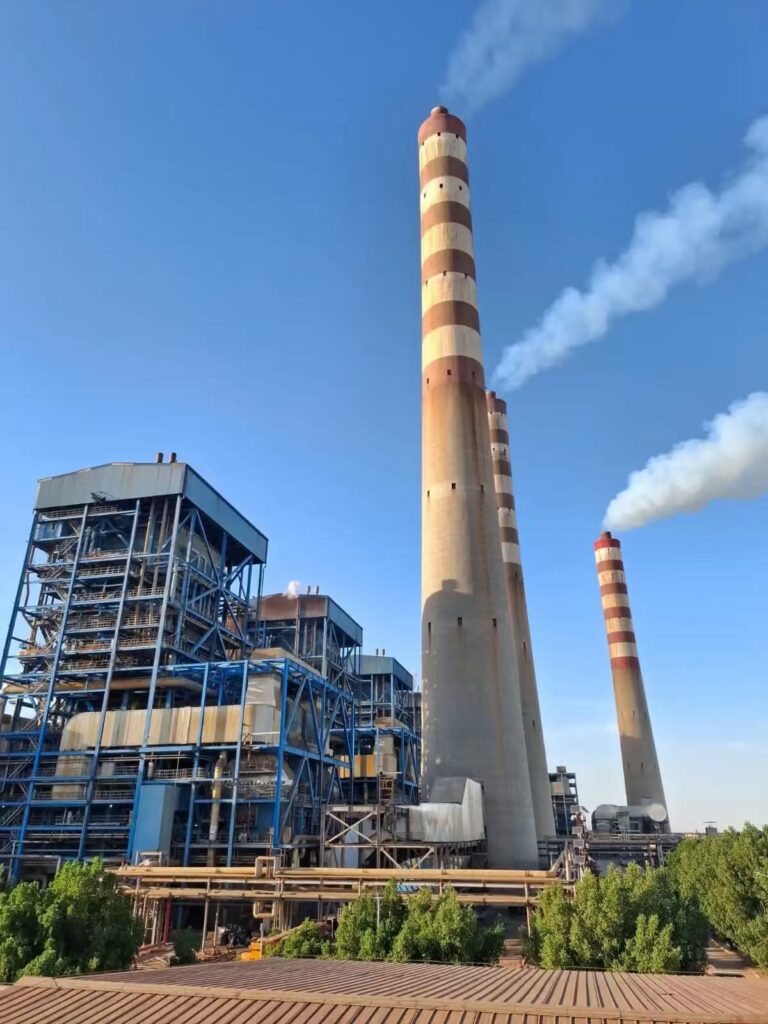
Sulfuric Acid Industry and Metal Smelting: These are the most typical applications. In the sulfuric acid production process, our mist eliminators are installed after drying towers and absorption towers to capture extremely fine sulfuric acid mist (H₂SO₄ mist), thereby protecting downstream heat exchangers and catalysts from corrosion. Our proprietary fiber-bed mist eliminators achieve a capture efficiency of 99.96% for particles smaller than 1 μm, providing better protection for downstream equipment and improving product quality.
Chlor-alkali industry: Used for mist removal following the cooling of wet chlorine gas, as well as for removing trace amounts of brine or alkali from hydrogen and chlorine gas streams. We utilise a corrosion-resistant housing combined with specialised fibres to meet the demands of these operating conditions.
Nitric and phosphoric acid production: Filtearth employs high-density specialised fibres to trap valuable acid mist entrained in process gases, thereby reducing material loss.
Petrochemicals and plastics processing: For removing oil mist from the gas stream at the compressor outlet, or treating organic ‘blue smoke’ aerosols generated during plastic curing and textile finishing processes, we select high-density, low-pressure-drop specialised fibres to intercept oil mist aerosols.
Maintenance points:
Filtearth Fiber Bed Mist Eliminator is widely used in the purification of mist-laden exhaust gases in chemical, environmental protection, and other fields. To ensure its long-term demisting efficiency and prevent excessive pressure drop, scientific preventative maintenance must be performed:
1. Regularly Monitor Pressure Drop (Key Indicator)
Pressure drop is the most direct indicator of fiber bed mist eliminator performance.
✅Daily Inspection: Differential pressure gauges (such as U-tube manifolds or differential pressure transmitters) should be installed at the inlet and outlet, and an operation record sheet should be established.
✅Trend Analysis: Changes in pressure drop reflect the accumulation of captured mist and particulate matter between the fibers. If the pressure drop increases sharply in a short period of time, it usually indicates blockage.
Set Warning Values: When the pressure drop reaches the equipment’s design limit, the fiber bed mist eliminator must be cleaned or replaced.
2. Cleaning and Regeneration
The cleaning strategy varies depending on the composition of the process gas:
✅ Water Washing/Solvent Flushing: For water-soluble substances or soluble organic deposits, online/offline cleaning can be performed via backflushing or spraying. Note: Ensure the flushing solution does not damage the fibrous media (e.g., chemical compatibility with glass fibers).
✅ Chemical Cleaning: If the deposits are sparingly soluble salts or polymers, acidic or alkaline solutions or specialized chemicals may be required.
✅ Steam/Gas Purging: In certain processes, purging with superheated steam or inert gas can remove some physical deposits.
3. Regular Structural Inspections
During shutdown maintenance, the following physical structures should be inspected:
✅Sealing Check: Inspect the installation seals and gaskets of the fiber bed filter element for aging or damage. Any leaks will cause gas to “short-circuit” (passing directly through unfiltered gas), significantly reducing demisting efficiency.
✅Filter Element Condition: Observe the surface of the fiber media for signs of sintering, breakage, collapse, or corrosion.
✅Support Structure: Inspect the filter element support frame and fastening bolts for rust or looseness.
✅Housing and Spray System: Inspect the inner wall of the housing for corrosion spots; confirm that the internal nozzles are not clogged or worn, and ensure uniform spray coverage.
4. Operating Condition Management (Preventative Maintenance)
Reduce maintenance frequency by optimizing process parameters:
✅Control inlet gas velocity: Excessive gas velocity can lead to flooding, secondary water carryover, and accelerated mechanical damage to the filter media; insufficient gas velocity may result in decreased collection efficiency. Ensure operation within the rated design range.
✅Prevent crystallization/polymerization: If easily crystallizing substances are present in the process gas, consider using process methods (such as maintaining the gas temperature above the dew point or continuous micro-spraying) to prevent premature deposition at the fiber bed inlet.
✅Pretreatment system: Inspect the upstream pre-dust removal or pre-cooling facilities. A decrease in upstream dust removal efficiency can cause premature clogging of the fiber bed.
5. Replacement Strategy
The filter element must be replaced when cleaning fails to restore the pressure drop to its initial level, or when significant chemical degradation/physical damage occurs to the fibrous media.
✅Replacement Cycle Record: Record the service life of the fiber bed demister to help predict future spare parts requirements.
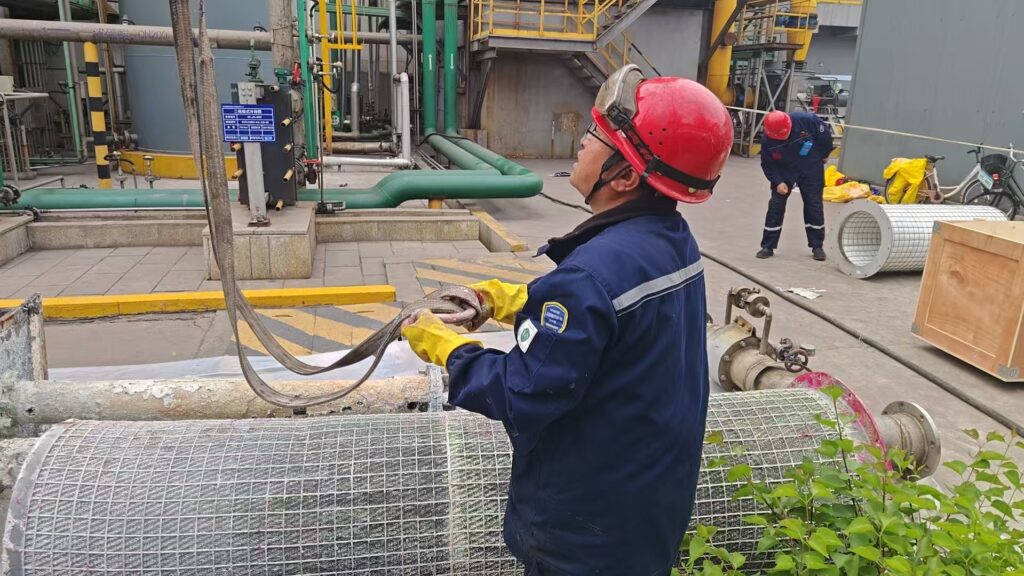
✅Installation Specifications: Ensure absolute verticality during replacement to prevent seal failure.
Maintenance Tips:
✅ Fiber-bed mist eliminators are high-precision, fragile components (especially those made from special glass fibers). When performing internal work, please wear appropriate personal protective equipment and strictly adhere to the manufacturer’s “inspection and operating procedures” to avoid damaging the fiber media through contact with tools.
Get Your Technical Proposal
Please share your process conditions and any process issues you have encountered below; our team of Filtearth engineers will provide you with a fibre-bed mist removal solution within 24 hours.